
Chesterfield Wiki
Official wiki of Chesterfield information
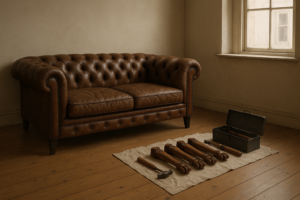
Moving a large, elegant piece of furniture like a Chesterfield sofa can be a daunting task. One of the most common questions homeowners face is whether the legs can be removed to make the process easier and safer. This practical guide will walk you through the process, tools, and precautions for detaching and reattaching Chesterfield sofa legs, ensuring your prized possession moves seamlessly from one home to the next.
Contents
Why Remove the Legs for Moving?
Removing the legs from your Chesterfield sofa serves several crucial purposes. Primarily, it significantly reduces the overall dimensions of the piece, allowing it to fit through narrow doorways, hallways, and staircases that it otherwise wouldn’t. This prevents damage to both your sofa’s frame and upholstery and your home’s walls and trim. Furthermore, a sofa without legs is lower to the ground and has a lower center of gravity, making it easier and safer to maneuver, tilt, and carry, reducing the risk of injury to yourself or your movers.
Tools You’ll Need for the Job
Having the right tools on hand is essential for a smooth, damage-free process. The required tools are typically minimal and can be found in most household toolkits. The most common fasteners for Chesterfield legs are bolts or screws accessible from underneath the frame.
- Adjustable Wrench or Socket Set: For loosening and tightening nuts on bolt-on legs.
- Phillips or Flat-Head Screwdriver: For legs attached with screws.
- Power Drill/Driver (Optional but Helpful): Can speed up the process of removing multiple screws.
- Soft Mallet or Rubber Hammer: To gently tap a stubborn leg loose if it’s wedged.
- Small Container or Ziploc Bag: To keep all hardware (screws, bolts, washers) for each leg together and prevent loss.
- Moving Blankets or Furniture Pads: To protect the sofa’s body once the legs are off.
Step-by-Step Leg Removal Process
Follow this systematic approach to ensure you don’t damage your sofa. First, clear the area and lay the sofa on its back on a soft, clean surface like a carpet or blanket to prevent scratching the arms or back. Identify the attachment method by looking underneath at the base of each leg. Most Chesterfields use a metal plate or block with bolts, or screws driven directly into the leg.
Using your wrench or screwdriver, carefully loosen and remove the fasteners. Place them immediately into your labeled container. If a leg doesn’t come free after removing the hardware, it may be pressure-fitted. Use your soft mallet to gently tap the side of the leg block to loosen it—never strike the leg itself or the sofa frame. Once all legs are removed, wrap the sofa frame in moving blankets and secure them with tape or straps, ensuring the upholstery is fully protected.
Common Mistakes to Avoid
Avoiding these pitfalls will save you time, frustration, and potential repair costs. Never force a leg off. If it’s stuck, re-check for hidden fasteners or gently use the mallet as described. Do not use excessive leverage with your tools, as this can strip screw heads or damage the wooden frame. Always keep hardware organized; mixing up bolts from different legs can lead to misalignment during reassembly. Finally, never drag the legless sofa frame across the floor, as this can damage the base fabric or wood. Always lift and carry it with adequate help.
Reassembly and Final Tips
Once your Chesterfield is in its new home, reassembly is the reverse of removal. Position the sofa upright on a soft surface. Align each leg with its corresponding mounting point and hand-tighten the screws or bolts to ensure they thread correctly. Once all legs are lightly attached, use your tools to firmly tighten each fastener in a cross pattern (like tightening a car tire) to ensure the base is even and stable. Give the sofa a gentle rock test to check for stability before use.
- Pro Tip: Take a photo of the underside before disassembly. This provides a perfect reference for how everything should look when you put it back together.
- Pro Tip: If bolts feel loose when re-threading, you may need to insert a wooden toothpick or specialized thread repair insert into the hole to give the screw new material to grip.
- Pro Tip: Consider applying a small amount of furniture wax or soap to the leg tenons before reinsertion to make future removals easier.
Conclusion
Successfully moving your Chesterfield sofa hinges on proper preparation. Removing the legs is a straightforward task that protects your investment and simplifies the entire moving process. By using the right tools, following a careful step-by-step method, and avoiding common errors, you can ensure your classic sofa arrives in its new setting ready to provide elegance and comfort for years to come.
- Key Takeaway: Leg removal is almost always possible and recommended for moving a Chesterfield sofa safely.
- Key Takeaway: Proper tool selection and organization of hardware are critical for a damage-free process.
- Key Takeaway: Protecting the sofa’s frame and upholstery during transit is just as important as the disassembly itself.
- Key Takeaway: Methodical reassembly ensures your sofa remains stable, secure, and beautiful in its new location.
Read more at https://chesterfielddeals.com/category/chesterfield/can-the-legs-be-removed-on-a-chesterfield-sofa-for-moving/
A Comprehensive Chesterfield Sofa Buying Guide for 2024
How to Style a Leather Chesterfield Sofa in a Modern Living Room
The History and Evolution of the Iconic Chesterfield Sofa
Hoe kies je de perfecte Chesterfield bank voor je interieur?