
Chesterfield Wiki
Official wiki of Chesterfield information
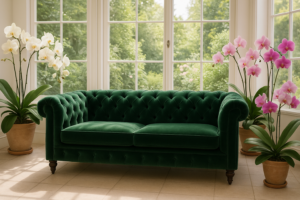
Choosing the right color for your Chesterfield sofa is a pivotal decision that can define your entire room’s aesthetic. While the classic leathers and velvets are timeless, modern manufacturing offers an unprecedented level of customization. This guide explores the smart strategies to navigate the vast world of fabric and color choices, ensuring your Chesterfield becomes a personalized statement piece that perfectly aligns with your vision and lifestyle.
Contents
Understand Your Material and Color Options
The first step in a successful customization is understanding the breadth of options. Traditional Chesterfields are often associated with rich, aniline-dyed leathers in burgundy, brown, or tan. However, contemporary suppliers provide extensive swatch libraries. You can choose from top-grain, full-grain, or corrected-grain leathers, each with a distinct texture and aging process. For fabric, options range from durable linens and cottons to luxurious velvets and chenilles, available in thousands of colors and patterns.
Beyond the base material, consider finishing details. For leather, you can select from polished, matte, or pull-up finishes that change character with use. For fabrics, performance treatments like stain resistance are crucial for households with children or pets. The button tufting and thread used for stitching can also often be customized, allowing for subtle contrast or tonal harmony.
Actionable Tips for Exploration
- Always Order Swatches: Never choose a color from a digital screen alone. Lighting dramatically affects perception. Order physical swatches to see the material in your home’s light, against your walls and flooring.
- Test for Lifestyle: For fabrics, perform a simple spill test on the swatch. For leather, rub and bend the sample to see how the finish and color react, simulating years of use.
- Think Long-Term: A bold emerald velvet is stunning, but will you love it in ten years? Consider choosing a timeless neutral for the main frame and introducing bold colors through cushions and throws.
Avoid Common Color and Fabric Mistakes
Customization is exciting, but it’s easy to make costly errors without a strategic approach. A frequent mistake is selecting a color in isolation, leading to a sofa that clashes with the room’s existing palette. Another is prioritizing aesthetics over practicality—a pale, delicate silk on a sofa meant for a family room is a recipe for stress. Ignoring the sofa’s scale is another pitfall; a very dark color on a large Chesterfield can feel overwhelmingly heavy in a small space.
Furthermore, overlooking the manufacturer’s lead times and policies for custom orders can lead to frustration. Custom pieces are often non-returnable, making pre-purchase diligence non-negotiable. Failing to secure a small batch of your chosen material for future repairs is another oversight that can complicate maintenance down the line.
Strategies to Mitigate Risk
- Create a Mood Board: Use digital tools or a physical board to collage your wall color, flooring, rug samples, and fabric swatches. This holistic view prevents disjointed choices.
- Prioritize Performance: For high-use areas, choose fabrics with a high Martindale rub count (over 25,000 for heavy domestic use) or a protected, semi-aniline leather.
- Read the Fine Print: Before ordering, confirm the warranty, lead time, return policy for custom items, and the possibility of purchasing extra matching fabric.
Develop a Smart Selection Strategy
A strategic approach turns customization from a daunting task into an empowering process. Start by defining the room’s primary function and the mood you wish to create. A formal study calls for a different material than a cozy living room. Next, establish your anchor color. This is typically your largest existing element, like a rug or wall color. Your sofa color should complement this anchor, either by blending in (tonal scheme) or providing a deliberate, harmonious contrast.
Consider the visual weight. Light colors recede, making a room feel more spacious, while dark colors advance, creating intimacy. For a large Chesterfield in a small room, a mid-tone or light color with a low-contrast tufting thread can help it feel less imposing. Finally, work with reputable craftsmen who specialize in Chesterfield construction. Their expertise is invaluable in advising on how different materials behave when button-tufted and how the frame’s design interacts with your chosen upholstery.
Final Checklist Before You Commit
- Swatch is Final: Have you viewed the physical swatch in the room at different times of day?
- Lifestyle Match: Does the material’s durability align with how the sofa will be used?
- Budget Alignment: Are you aware of the full cost, including any premiums for custom colors or high-end hides?
- Partner Confidence: Are you ordering from a trusted maker with proven Chesterfield expertise and clear communication?
Conclusion
- Customizing your Chesterfield’s color is a powerful way to own a unique piece of furniture that reflects your personal style.
- Success hinges on understanding material properties, ordering physical swatches, and rigorously testing them in your home’s environment.
- Avoid common pitfalls by prioritizing practicality alongside aesthetics and thoroughly reviewing the craftsman’s policies before purchase.
- By following a strategic selection process—defining the room’s purpose, establishing an anchor color, and considering visual weight—you can make a confident, lasting choice.
Read more at https://chesterfielddeals.com/category/chesterfield/can-i-customize-the-color-of-a-chesterfield-sofa/
Chesterfield Sofa Buying Guide 2024 • Leather vs Fabric Chesterfield Sofa • Styling a Chesterfield Sofa in Modern Interiors • Hoe kies je de perfecte Chesterfield bank? • Waarom is een Chesterfield bank een goede investering? • Powered by CCombox