
Chesterfield Wiki
Official wiki of Chesterfield information
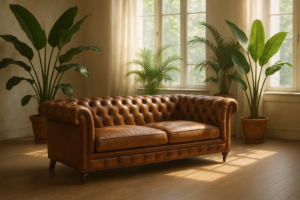
Choosing between a Chesterfield sofa and a Chesterfield loveseat is a pivotal decision that impacts the function, flow, and feel of your living space. While both share the iconic design DNA—deep button tufting, rolled arms, and timeless elegance—their differences are significant. This guide will break down the key factors of size, seating capacity, and ideal room placement to help you avoid common sizing mistakes and select the perfect piece for your home.
Contents
Size & Seating Capacity: The Core Distinction
The most fundamental difference lies in dimensions and who (or how many) can use it. A standard Chesterfield sofa typically measures between 84 to 96 inches in width, comfortably seating three adults. Its generous proportions make it a statement piece and the primary seating area in a living room. In contrast, a Chesterfield loveseat is a compact two-seater, usually ranging from 58 to 72 inches wide. It offers the same luxurious comfort and detail but in a space-saving footprint, perfect for intimate conversations or smaller rooms.
Actionable Measurement Tips
- Always Measure Twice: Before purchasing, measure your room’s width, depth, and pathways. For a sofa, ensure at least 36 inches of walkway space in front. For a loveseat, a minimum of 30 inches often suffices.
- Consider Depth: Chesterfields are known for their deep seats. Account for this extra depth (often over 40 inches from back to front of seat) to ensure it doesn’t overwhelm a narrow room.
- Mock it Up: Use painter’s tape or newspaper to outline the furniture’s dimensions on your floor. This visual test prevents the common mistake of a piece that feels too large or too small once delivered.
Strategic Room Placement & Function
Your choice should be dictated by the room’s purpose and layout. A full-sized Chesterfield sofa is the undisputed anchor for a primary living room, family room, or large home office. It defines the space and encourages communal gathering. The loveseat, however, shines in multi-functional roles. It’s ideal as an accent in a master bedroom, a cozy seating nook in a study, a sophisticated addition to a large foyer, or paired with a sofa in an L-shaped configuration to maximize seating in a living area.
Functional Pairing Strategies
- For Large Rooms: Use a Chesterfield sofa as the centerpiece, flanked by armchairs. A matching loveseat can be placed opposite to create a balanced, conversational layout.
- For Apartments & Small Rooms: Opt for a loveseat as your main seating. Pair it with a sleek, armless chair or two to add flexibility without congestion.
- For Dual-Purpose Spaces: In a home office/guest room, a leather Chesterfield loveseat adds professional elegance by day and converts into a comfortable sleeping spot for guests by night.
Styling Impact & Visual Weight
Both pieces command attention, but their visual weight differs. A sofa is a dominant force; its large, tufted surface becomes the room’s focal point. This makes fabric choice critical—a bold velvet or classic leather will set the entire color scheme. A loveseat offers more styling versatility. It can be a bold, contrasting accent in a neutral room or a subtle, complementary piece that doesn’t overpower other design elements. This makes it easier to experiment with adventurous colors or textures like mustard velvet or deep green leather.
Common Sizing & Buying Mistakes to Avoid
Even seasoned decorators can stumble when integrating such a distinctive piece. Here are key pitfalls to sidestep.
- Ignoring Doorways & Staircases: The classic Chesterfield’s rigid, sturdy frame can be difficult to maneuver. Always check the dimensions of all entry points, including elevators and stairwells, before ordering.
- Overlooking Scale with Other Furniture: Placing a heavy, tall-backed Chesterfield sofa next to low, minimalist shelving can create a jarring imbalance. Ensure accompanying pieces share a proportional relationship.
- Choosing for Today, Not Tomorrow: Consider your long-term needs. A loveseat may suit a studio apartment now, but will it accommodate your lifestyle in 5 years? Investing in a sofa might offer better long-term value.
- Forgetting Comfort for All: While stunning, the high arms and deep seat of a Chesterfield can be challenging for some to get in and out of. If it’s for a household with elderly members, test the seat height and depth in person if possible.
Conclusion
- The Chesterfield sofa is for anchoring large spaces and seating groups, while the loveseat excels in smaller rooms, as an accent, or in paired configurations.
- Precise measurement of your space and access routes is non-negotiable to avoid delivery disasters.
- Consider the piece’s visual weight and how it will interact with your existing decor and furniture scale.
- Always align your choice with both your immediate spatial constraints and your anticipated future needs.
- By understanding these core differences, you can invest with confidence in a piece that delivers both iconic style and perfect practicality for your home.
Read more at https://chesterfielddeals.com/category/chesterfield/chesterfield-sofa-vs-loveseat-whats-the-difference/
Why Is My CCombox Not Working? • How to Use CCombox • CCombox Review • Hoe verzorg je een Chesterfield sofa? • Waar komt de naam Chesterfield vandaan? • Powered by CCombox