
Chesterfield Wiki
Official wiki of Chesterfield information
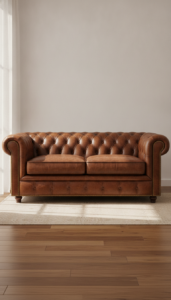
Choosing between a Chesterfield and a tuxedo sofa often comes down to understanding their structural DNA—not just their look. In this guide, we cut through the confusion by focusing on a specific subtopic: how the frame and construction methods of each sofa style affect long-term durability and daily comfort. If you’ve been wondering which one will truly last in a busy home, this breakdown delivers the practical details you need.
Contents
Frame and Suspension Differences Between Chesterfield and Tuxedo Sofas
The foundation of any sofa determines its lifespan. A Chesterfield sofa traditionally uses a solid hardwood frame—often kiln-dried birch or beech—with no-sag sinuous springs. This construction supports the heavy button-tufted back and rolled arms without sagging over time. The tuxedo sofa, by contrast, typically employs a boxier plywood frame with layered sinuous or drop-in coil springs, designed for a straighter, more angular silhouette. While both can be durable, the Chesterfield’s added framing mass around the rolled arms and deep tufting grid often gives it an edge in resisting structural racking (twisting) under heavy daily use.
When evaluating longevity, always check the joint construction. Dovetail joints and corner blocking are common in premium Chesterfields, while many tuxedo models rely on staple-and-glue assemblies. For a sofa that will see decades of use, the Chesterfield’s traditional joinery method is a clear advantage—especially if you plan to sit in the same spot every evening.
Upholstery and Cushion Construction: Where the Real Wear Happens
The cushion core is the most abused component of any sofa. A Chesterfield’s distinct feature—the continuous button-tufted back and seat—creates a web of tension that distributes weight differently than a tuxedo’s flat, un-tufted seat deck. In a Chesterfield, cushions are often attached via tack strips or deep snap fasteners to maintain the tufted grid, which can make future reupholstering more labor-intensive but also reduces cushion slippage. Tuxedo sofas (also called “English arm” or “box arm” sofas) usually have loose seat cushions with zipper covers, making it far easier to fluff, rotate, or replace them when the foam begins to soften.
For high-traffic living rooms, a tuxedo sofa with high-resiliency (HR) foam core and a down-blend wrap is easier to maintain and cheaper to re-cushion. However, if you prefer the permanent, sculpted look of deep tufting and don’t mind occasional professional tightening, the Chesterfield’s integrated cushion system offers a uniquely firm, supportive feel that resists the “sinking” common in loose-cushion designs after a few years.
How Tufting and Arm Structure Impact Long-Term Comfort
The rolled arms of a Chesterfield require internal support—typically a coiled spring or rigid foam core wrapped in fiber batting—that adds durability at the cost of losing usable seating width. Over time, the outer curve of the arm can flatten if low-density batting is used, so always press the arm edge during a test sit. Tuxedo sofas have arms that rise to the same height as the backrest, creating a more uniform internal frame. This design reduces the number of complex curves, making the tuxedo frame inherently more resistant to corner separation and arm loosening.
In terms of daily comfort, the Chesterfield’s rolled arm is ideal for napping or leaning sideways, while the tuxedo’s straight arm excels in upright seating positions. If you often work or eat from the couch, the tuxedo sofa’s flat, un-tufted back avoids the pressure points that tufting buttons can create against your spine.
Common Mistakes When Judging Chesterfield vs. Tuxedo Durability
Many buyers assume that “heavier equals better.” While a heavy Chesterfield usually indicates a solid wood frame, some manufacturers add cheap particleboard or MDF inside the rolled arms to increase weight without improving strength. Always look for kiln-dried hardwood over softwood or engineered lumber. A similar mistake is ignoring the spring type: sinuous springs are standard in both styles, but a tuxedo sofa with eight-gauge coil springs (found in higher-end versions) will outlast a budget Chesterfield with flimsy wire ties.
Also, don’t overlook the fabric: because a Chesterfield has more pleats and folds (from the tufting and arm curves), it uses more fabric per sofa. This can cause premature fading or wear on high-contact areas if the upholstery is not tightly woven. A tuxedo sofa’s flat surfaces are easier to reupholster, but any pilling or abrasion shows more obviously due to the lack of visual texture.
- Pro tip: Ask the retailer if the back cushion is attached or loose. In a Chesterfield, an attached cushion with security snap fasteners reduces shifting but complicates cleaning.
- Pro tip: For a tuxedo, verify if the front border of the seat deck is reinforced with a solid steel bar—this prevents the “shelf lip” from sagging after two years.
- Pro tip: Always check the warranty details: a good Chesterfield or tuxedo sofa should have at least a 5-year frame warranty and 2-year cushion warranty.
Conclusion
Understanding the structural differences between a Chesterfield and a tuxedo sofa helps you choose the one that will best suit your home’s demands. Here are the key takeaways:
- Chesterfield: Best for sustained structural rigidity and a traditional, formal feel—but tufting and rolled-arm construction can complicate reupholstering and reduce usable width.
- Tuxedo sofa: Best for easy maintenance, cushion replacement, and clean modern lines—its flat surfaces and loose cushions are more forgiving for everyday wear.
- Frame first: Prioritize kiln-dried hardwood and dovetail/blocked joints over weight or brand name.
- Check spring gauge: Heavier sinuous springs (8-gauge or thicker) and coil drop-in units outperform budget wire ties in both styles.
- Plan for reupholstery: Tuxedo sofas are cheaper to refresh; Chesterfields require more skilled labor to re-tuft properly.
- Test before you buy: Sit at the edges and lean on the arms—immediate flex equals future sagging.
Read more at https://chesterfielddeals.com/category/chesterfield/whats-the-difference-between-a-chesterfield-and-a-tuxedo-sofa/
Upholstery Fabric Guide for High-Traffic Areas
Duurzame stoffen voor een milieubewuste keuze
11 ideeën voor een moderne stof – jaren 70 look
Powered by CCombox