
Chesterfield Wiki
Official wiki of Chesterfield information
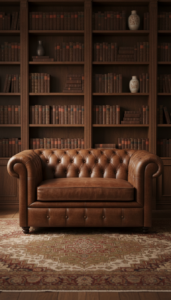
Choosing the right Chesterfield sofa is an investment in timeless style and enduring comfort. A critical factor in its longevity and performance is the hidden hero: the frame. This guide focuses on the common mistakes people make when selecting and evaluating the wood used in Chesterfield sofa frames, helping you avoid costly errors and ensure your centerpiece lasts for generations.
Contents
Mistake 1: Ignoring the Wood Type
The most fundamental error is not asking about the specific wood species. Not all hardwoods are equal. Premium Chesterfields use kiln-dried hardwoods like beech, oak, or ash for their strength, stability, and resistance to warping. A major red flag is a vague description like “hardwood frame” without specifics, which can hide the use of softer, less durable woods or even engineered wood composites that may not withstand the test of time.
- Actionable Tip: Always ask the retailer or manufacturer for the exact wood species used. Kiln-dried beech or oak are excellent indicators of quality.
- What to Avoid: Steer clear of frames made from pine (too soft for long-term structural integrity), particleboard, or MDF in the main frame construction.
Mistake 2: Confusing Construction Methods
Many assume a solid wood frame means every component is a single, thick piece of timber. In reality, expert craftsmanship often involves laminated wood for certain curved elements, like the iconic rolled arms. Lamination—where thin layers of wood are glued together under pressure—can create stronger, more flexible curves that are less prone to cracking than a single piece of solid wood forced into shape.
- Actionable Tip: Don’t dismiss laminated wood outright. In skilled hands, it’s a mark of sophisticated construction, especially for complex shapes. The key is that the core structural members (legs, main rails) should be solid hardwood.
- Red Flag: A frame that feels overly light or sounds hollow when tapped may indicate poor-quality materials or excessive use of hollow construction methods.
Mistake 3: Overlooking Joint Construction
The joints are where a frame faces the most stress. Staples, nails, or simple butt joints are a sign of inferior construction that will loosen over time. A hallmark of a true Chesterfield built to last is the use of traditional, reinforced joinery.
- Look For: Double-doweled joints, mortise-and-tenon joints, or corner blocks that are glued and screwed. These methods distribute weight and stress effectively, preventing wobbling and squeaking.
- Ask The Question: “What type of joinery is used in the frame’s main corners and stress points?” A reputable seller will have this information.
Mistake 4: Skipping the Stability Test
Failing to physically assess the frame’s stability before purchase is a common oversight. A quality hardwood frame should feel substantial and immovable.
- The Simple Test: If possible, lift one front corner of the sofa about 6 inches off the ground. The other front leg should lift off the floor at the same time. If the frame twists or feels flexible, the construction may be weak. Also, sit firmly on the sofa and check for any creaking sounds or shifting.
Conclusion
Selecting a Chesterfield sofa with a superior frame is about being an informed buyer. By avoiding these common mistakes—ignoring wood species, misunderstanding construction, overlooking joints, and skipping a hands-on test—you ensure your investment is in a piece of furniture defined by enduring craftsmanship. A properly constructed hardwood frame is the foundation for decades of elegant comfort, making it the most crucial element to get right.
Read more at https://chesterfielddeals.com/category/chesterfield/what-wood-is-used-in-chesterfield-sofa-frames/
A Comprehensive Chesterfield Sofa Buying Guide
How to Style a Chesterfield Sofa in a Modern Living Room
The Rich History and Evolution of the Chesterfield Sofa
Hoe kies je de perfecte Chesterfield bank?