
Chesterfield Wiki
Official wiki of Chesterfield information
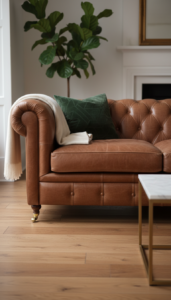
Moving a heavy Chesterfield sofa is a daunting task, often complicated by its solid hardwood frame, dense cushioning, and signature rolled arms. Without the right technique, you risk damaging both the furniture and your home. This guide focuses on a specific, often-overlooked subtopic: how to choose the right moving tools and leverage strategic disassembly to minimize risk. We’ll cover the essential equipment and a step-by-step process to ensure your timeless piece arrives safely in its new space.
Contents
Understanding Your Sofa’s Weight Distribution
Before you lift a finger, you must understand where the bulk of the weight lies. A Chesterfield sofa’s frame is typically made from kiln-dried hardwood, with the heaviest concentration in the thick front rail and the solid backs of the rolled arms. The deep button tufting and generous cushioning also add significant weight. This means the sofa is often back-heavy and front-heavy simultaneously, requiring a balanced lift. Attempting to move it by the arms alone can cause the frame to snap or the upholstery to tear.
A good rule of thumb is to always lift from the bottom rail and the lower back frame. If your sofa has removable legs (common in modern Chesterfields), remove them first to create a lower, more stable profile and to access the solid base structure. This simple step can reduce the risk of scraping door frames and significantly lower the center of gravity for a safer carry.
Top 5 Essential Tools for the Job
Winging it with a few buddies often leads to scratched floors and strained backs. Invest in or rent these five tools to transform the move from a nightmare into a manageable operation:
- Furniture Sliders (or Moving Blankets): Place sliders under the sofa’s feet (or base after removing legs) to glide it smoothly over carpet or hardwood. This reduces the need for lifting in tight spaces by up to 80%. Always wrap the sofa in moving blankets first to protect the upholstery from scuffs and dust.
- Two-Wheel Dolly (Appliance Dolly): The absolute best tool for stairs and long hallways. A dolly distributes the heavy weight onto a stable wheelbase. Secure the sofa to the dolly with heavy-duty ratchet straps—never bungee cords, as they can snap or stretch.
- Furniture Straps (Lift Straps or Harness): These go over your shoulders or attach to the dolly, allowing you to use your legs instead of your back. They are a game-changer for keeping the sofa stable while navigating corners.
- Allen Wrench Set or Screwdriver: Essential for disassembling removable legs or decorative hardware. Keeping these in your pocket prevents you from searching for them mid-move.
- Drill with a Flathead Bit: Perfect for removing screws from the bottom panel if you need to access the frame for a better grip point.
Disassembly Strategies and Preparation
Many Chesterfields are not meant to be fully disassembled, but you can maximize efficiency by removing every detachable element. Start by removing the seat cushions. This not only reduces the total weight of the main frame by 20–30 pounds but also provides two less awkward objects to maneuver. Next, if the backrest is a separate cushion piece (common in modular designs), remove that as well.
Measure your doorways, hallways, and stairwells before moving the sofa. Compare these measurements against the sofa’s dimensions without the cushions and legs. If the sofa is too wide to fit upright, you may need to tip it onto its side (protected by a blanket). Always protect the arms and back with cardboard and moving pads before tipping. Finally, wrap the entire sofa in a large moving blanket or shrink wrap to hold the padding in place and protect the fabric or leather from dirt.
Common Mistakes That Cause Damage
A few common errors can turn a successful move into a costly repair job:
- Dragging instead of lifting: Dragging a heavy Chesterfield across the floor puts immense stress on the dowels and glue joints in the frame. It also shreds the fabric or leather on the bottom. Always lift or slide using sliders.
- Lifting by the arms: The rolled arms are attached to the frame, but they are not structural lifting points for the entire weight of the sofa. Lifting here can snap the arm off or cause the upholstery to separate from the frame.
- Forgetting to clear the path: A stray coffee table leg or a door that opens the wrong way can cause you to lose your grip. Clear a wide path and remove any interior doors that might swing into the way.
- Using just two people: A standard Chesterfield weighs well over 100 pounds. Two people may struggle to maintain proper posture and grip over a long distance. Use three or four people to distribute the load, or rely heavily on a dolly.
Conclusion
- Know the weight distribution: Lifting from the base rail and lower back is safest; never lift by the arms.
- Equip yourself: Use furniture sliders, an appliance dolly, and lift straps to protect your back and the sofa.
- Disassemble smartly: Remove legs, cushions, and backrests to reduce weight and improve clearance.
- Measure and protect: Always measure doorways and wrap the sofa in moving blankets to prevent scuffs and dents.
- Avoid common pitfalls: Never drag the sofa or lift it by the arms; use a team of at least three people or a dolly.
- Ready to move? Don’t let the process overwhelm you. With the right tools and techniques, your Chesterfield will look just as stunning in its new location.
Read more at https://chesterfielddeals.com/category/chesterfield/how-do-i-safely-move-a-heavy-chesterfield-sofa/
https://ccombox.com
https://ccombox.com
https://ccombox.com
https://blog.chesterfield.com/nl/post-sitemap.xml
https://houseofchesterfield.com/nl/wp-sitemap-posts-post-1.xml
Powered by CCombox