
Chesterfield Wiki
Official wiki of Chesterfield information
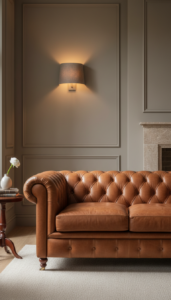
Reupholstering a Chesterfield sofa breathes new life into a cherished piece, but the cost can vary wildly based on fabric, labor, and frame condition. This guide focuses on a critical yet often overlooked subtopic: how fabric yardage and pattern matching directly impact your reupholstery budget. Understanding these factors helps you avoid unexpected costs and plan your project with precision.
Contents
Why Yardage Matters for Your Chesterfield
The classic Chesterfield design—with its rolled arms, deep button tufting, and generous cushioning—requires significantly more fabric than a standard sofa. A typical three-seater Chesterfield can consume between 12 to 18 yards of fabric, while a larger two-seater or club chair may need 8 to 12 yards. The tufting process alone demands extra material for the pleats and folds behind each button, adding 2 to 3 yards to your total. Choosing a fabric with a nap (like velvet or corduroy) further increases yardage because the direction of the pile must remain consistent across all panels, reducing usable width.
To calculate your estimated yardage, measure the length, depth, and height of your sofa. Add 10% to 15% for waste and pattern matching. Always confirm with your upholsterer before purchasing fabric, as their experience with Chesterfield construction will refine your estimate.
Pattern Matching: A Hidden Cost Driver
Patterned fabrics—like stripes, plaids, or damasks—require precise alignment at seams, cushion fronts, and arm curves. This can increase fabric consumption by 20% to 50% compared to a solid color. For a Chesterfield, the prominent rolled arms and button-tufted back create multiple seams where patterns must match, making this even more critical. An experienced upholsterer will charge extra for pattern matching labor, often $50 to $150 per hour, depending on complexity. To keep costs down, consider a solid fabric or a subtle texture that doesn’t require alignment. If you choose a pattern, work with a professional who specializes in Chesterfield sofas.
- Tip: Ask your fabric supplier for the “pattern repeat” measurement (usually 12 to 36 inches). A larger repeat means more waste and higher cost.
- Example: A 2-yard pattern repeat can require an extra 4 to 6 yards for a standard 3-seater, significantly inflating your budget.
Estimating Fabric Needs by Chesterfield Size
Here’s a practical breakdown of typical yardage requirements for common Chesterfield sizes, assuming a solid fabric without nap. Adjust upward by 15% for velvet or chenille, and by 30% for large patterns.
- Club Chair (single seat): 6 to 8 yards
- Love Seat (2-seater): 10 to 14 yards
- Standard Sofa (3-seater): 14 to 18 yards
- Large Sofa (4-seater or with chaise): 18 to 24 yards
Always order fabric from the same dye lot to ensure color consistency. Upholsterers recommend buying a full roll (usually 40 yards) for multiple pieces, which often yields a discount per yard. For a single project, purchase 10% extra—it’s better to have leftover fabric for future repairs than to run short mid-project.
Conclusion
- Fabric yardage is the largest variable in your reupholstery cost, ranging from 12 to 24+ yards for a Chesterfield sofa.
- Pattern matching can increase fabric consumption by 20-50% and adds labor charges.
- Choose solid fabrics or subtle textures to minimize waste and keep costs predictable.
- Always calculate yardage with your upholsterer before purchasing fabric to avoid costly mistakes.
- Order extra fabric (10-15%) from the same dye lot for seamless repairs in the future.
Read more at https://chesterfielddeals.com/category/chesterfield/how-much-does-it-cost-to-reupholster-a-chesterfield/