
Chesterfield Wiki
Official wiki of Chesterfield information
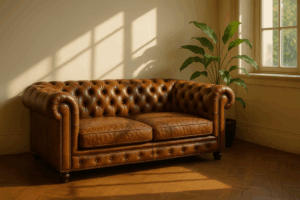
Cleaning a Chesterfield sofa is a task that requires precision and care to preserve its timeless elegance and superior craftsmanship. A common question among owners is whether water or soap can be used safely. This guide delves into the smart strategies for scaling your cleaning approach in 2025, ensuring you avoid common pitfalls and maintain your sofa’s luxurious appeal for years to come.
Contents
Understanding Your Materials: The Foundation of Smart Cleaning
The first step in any effective cleaning strategy is to identify your sofa’s upholstery. A Chesterfield sofa can be crafted from classic aniline leather, protected leather, sumptuous velvet, or other premium fabrics. Each material has a unique tolerance for moisture and cleaning agents. Using water or soap without this knowledge is the primary error that leads to irreversible damage like discoloration, water rings, or stiffening of leather.
- Actionable Step: Always locate the manufacturer’s care label, typically found under a cushion or on the frame. This is your non-negotiable guide.
- Professional Tip: When in doubt, perform a spot test in an inconspicuous area with any cleaner, diluted to a weaker strength than recommended.
The Water Dilemma: When and How to Use It
Water is a powerful solvent, but for Chesterfield sofas, it should be used with extreme caution. The deep button tufting and rolled arms can trap moisture, leading to mold growth or frame damage. For most leather Chesterfields, plain water is rarely the best first choice. For fabric versions, some moisture may be permissible, but over-wetting is a critical mistake.
- For Leather: Dampen a microfiber cloth with distilled water (to avoid mineral deposits) and wring it out thoroughly. Wipe gently—never soak the surface.
- For Fabric: Use a spray bottle to mist a light, even layer of clean water, then blot—don’t rub—with a dry cloth to lift dirt.
Common Mistake: The Drenching Method
Applying water liberally from a bowl or soaking a cloth is a top scaling error. This saturates the material, breaking down natural oils in leather and causing watermarks, or driving dirt deeper into fabric fibers instead of removing it.
Soap Selection: Choosing the Right Cleaning Agent
Not all soaps are created equal. Harsh detergents, dish soaps, and all-purpose cleaners often contain degreasers and alkalis that strip the protective finishes from leather and leave a residue on fabrics. The goal is to use the mildest effective cleaner.
- For Leather: Use a pH-neutral, leather-specific cleaner. Saddle soap can be used for untreated, classic leathers but requires thorough conditioning afterward.
- For Velvet & Fabric: Opt for a gentle upholstery shampoo or a foam cleaner designed for delicate fabrics. These lift dirt without over-wetting.
Mixing a drop of mild castile soap with a large cup of distilled water can create a safe, diluted solution for some sturdy fabrics, but testing is paramount.
Proven Cleaning Platforms & Techniques
Beyond basic water and soap, several proven tools and methods can elevate your cleaning results. These are the “platforms” worth integrating into your routine.
- Microfiber Cloths: The essential beginner tool. They are lint-free and highly absorbent, perfect for dusting, applying cleaners, and buffing.
- Leather Conditioner: After any cleaning with soap or water, conditioning aniline or classic leather is mandatory to restore oils and prevent cracking.
- Upholstery Attachment for Vacuum: Regular dusting with a soft brush attachment prevents abrasive dirt from grinding into the fabric or leather grain.
- Professional Steam Cleaning (For Fabric Only): For deep cleaning, hire a professional familiar with high-end upholstery. Never use a consumer-grade steam cleaner on leather.
Scaling Your Maintenance for Long-Term Preservation
Smart maintenance is about consistent, correct actions rather than intensive, infrequent cleanings. Scaling your care involves building a simple schedule that protects your investment.
- Weekly: Vacuum with an upholstery attachment to remove surface dust and crumbs from tufting and crevices.
- Monthly: Wipe down leather with a dry microfiber cloth; for fabric, check for spots and address them immediately.
- Bi-Annually: Perform a full, gentle clean using the appropriate materials (cleaner, damp cloth, conditioner for leather).
- Annually: Assess the sofa’s overall condition. Consider professional cleaning for fabric or reconditioning for leather to address any accumulated wear.
Conclusion
Preserving the grandeur of your Chesterfield sofa requires informed care. To summarize the key actionable insights:
- Always identify the upholstery material and follow manufacturer instructions as your primary guide.
- Use water sparingly and with caution, opting for distilled water and a barely-damp cloth to prevent moisture damage.
- Select cleaners specifically formulated for your sofa’s material, avoiding harsh, all-purpose soaps.
- Incorporate the right tools—microfiber cloths, conditioners, and proper vacuum attachments—into a regular maintenance schedule.
- Scale your care from daily dusting to annual deep treatments to ensure your Chesterfield remains a focal point of classic sophistication for generations.
Read more at https://chesterfielddeals.com/category/chesterfield/can-i-use-water-or-soap-to-clean-a-chesterfield-sofa/
Why Is My Chesterfield Sofa Uncomfortable? • How to Identify an Authentic Chesterfield Sofa • Can a Chesterfield Sofa Be Reupholstered? • Hoe verzorg je een Chesterfield bank? • Hoe kies je de perfecte Chesterfield bank? • Powered by CCombox